
Harkány and beyond
Harkány and beyond – When we travel somewhere to relax, whether we seek passive or active recreation, an important factor is the sights and program opportunities available in the area.
If you choose Harkány, you are guaranteed not to run out of activities. This region is a tourist destination that can meet almost every tourist need. The distances between the settlements within the region are very small, but the built bike paths help tourists to easily reach various attractions, whether on foot, by bike, or, of course, by bus or car.
Pécs
The cultural capital, Pécs, is just a stone’s throw away from our famous spa town, Harkány. The county seat of Baranya awaits visitors with numerous exhibitions and recreational activities. Without claiming to be exhaustive, we recommend the following attractions.


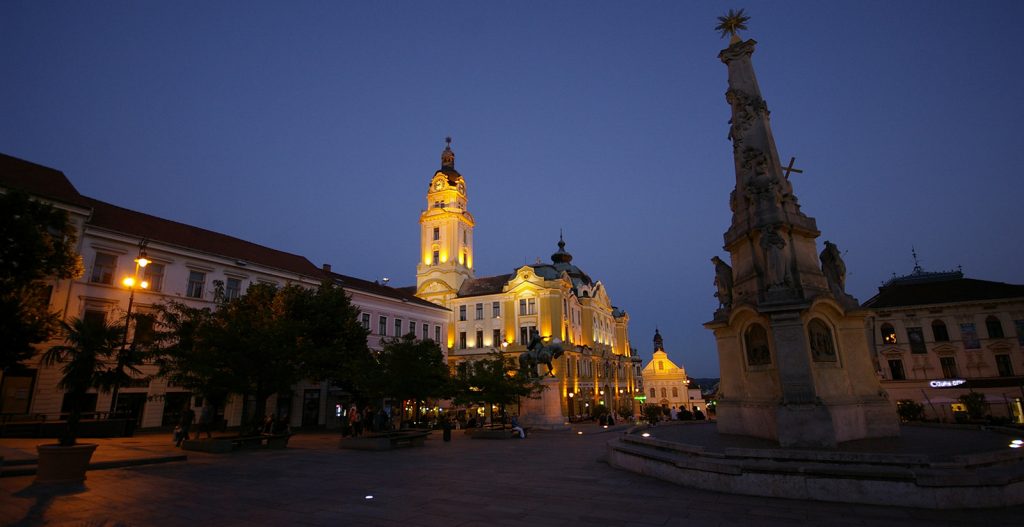
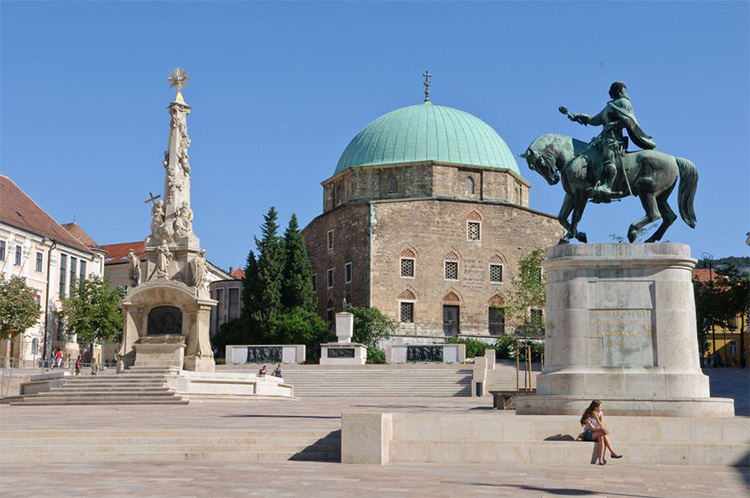
Zsolnay Cultural Quarter
The Mediterranean-style city was the European Capital of Culture in 2010, and we can say it still is today. Among the many sights in the city, the Zsolnay Cultural Quarter, declared a Hungarian heritage site in 2014, stands out. The Zsolnay family, known for porcelain production, lived and worked here in the 19th and 20th centuries. On the site of their world-famous ceramic factory, the Zsolnay heritage lives on in a beautifully restored, 5-hectare area. The picturesque parks and promenades are adorned with 15 protected historical buildings and 88 public Zsolnay sculptures. Every small square meter of the Quarter hides numerous attractions, not to mention the charming cafés, artisan shops, and high-quality restaurants. Alongside preserving the past, showcasing the present and contemporary art also plays a significant role. This is served by the Pécs Gallery m21 and the popular E78 concert hall, where visitors can enjoy music and theater performances. Visitors can also find special local products in the Handicraft Shops Street. The Quarter also offers plenty for children: outdoor playgrounds, the Laboratory – Interactive Magic Space, the Planetarium, Magic Hour (spectacular physical experiments), the Bóbita Puppet Theater, the Ceramic Workshop, and the Hercules Workshop activities await the young ones.
Zsolnay Ceramic Exhibition
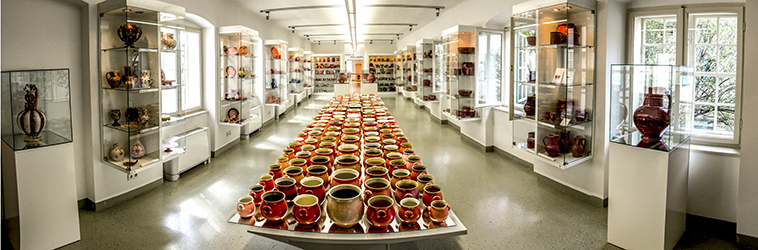
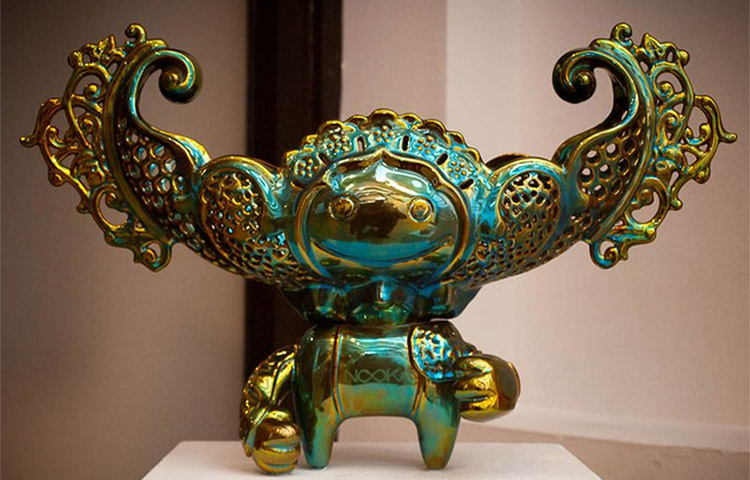
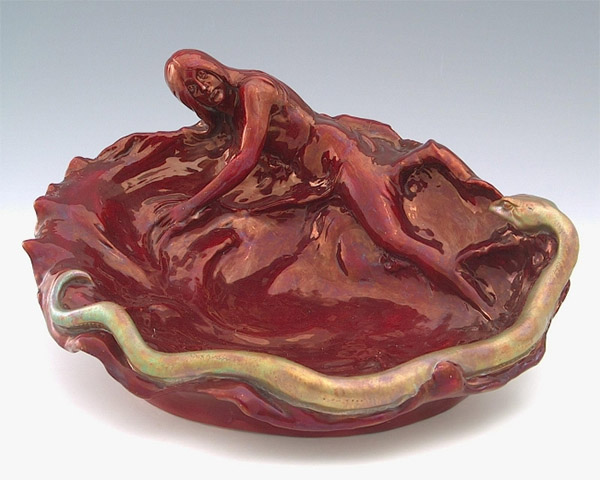
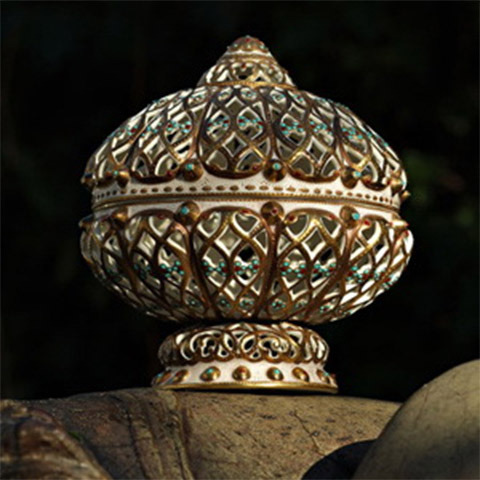
The Zsolnay ceramic collection is displayed in Pécs’ oldest residential house, which was mentioned in written sources as early as 1324. The exhibition, based on the former factory museum’s collection, presents the decorative works of the ceramic factory in chronological order. The exhibition is complemented by a memorial room furnished with items and decorative objects from the Zsolnay family.

Zsolnay Zsolnay ceramic Zsolnay Eozin
Pécs Cathedral
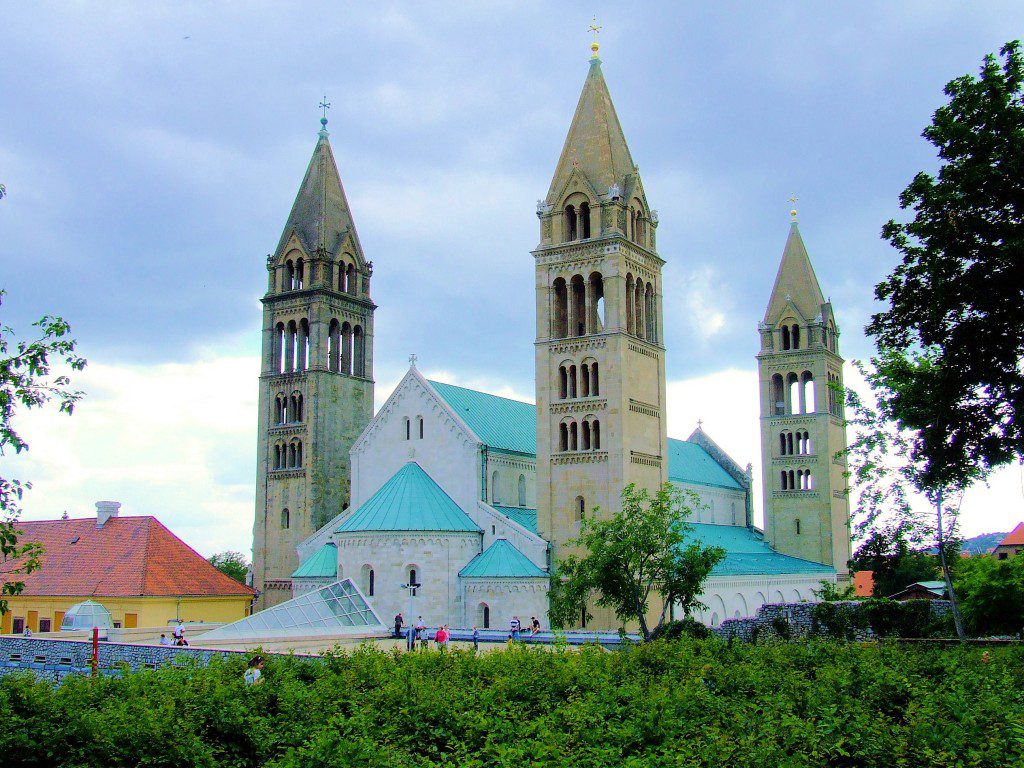
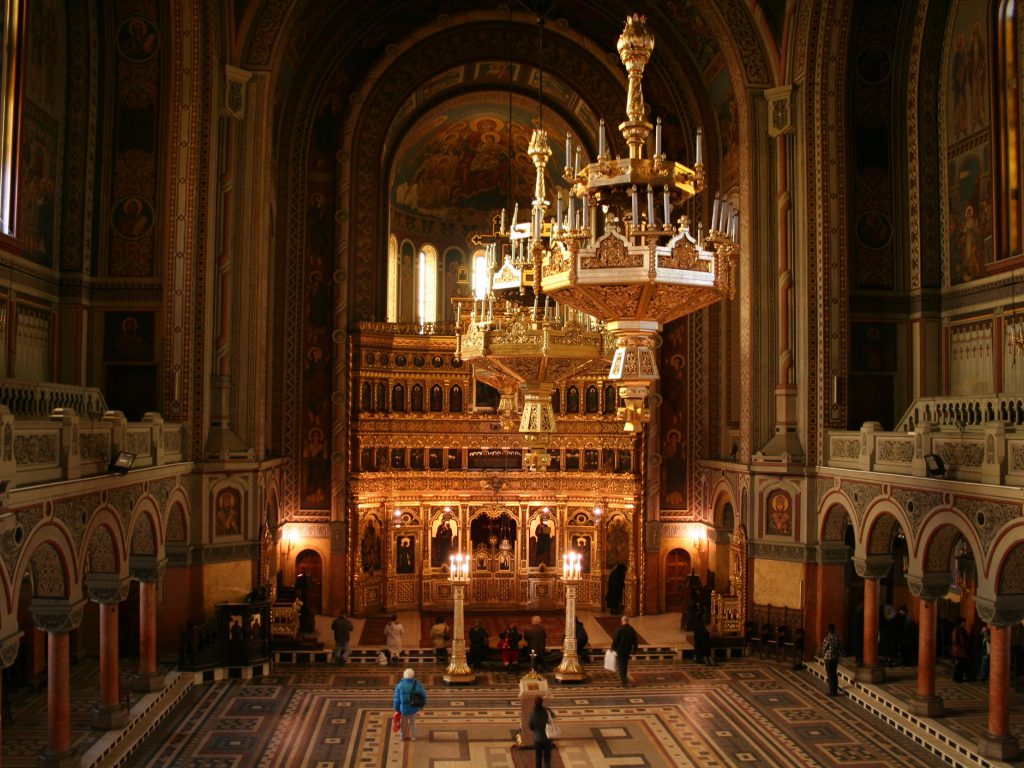
The origin of the Pécs Cathedral dates back to the Roman Empire. The foundation walls of the current crypt were laid at the end of the 4th century, and then expanded westward in the 8th-9th centuries. The original church was transformed into a crypt during the reign of King Stephen I, with the current sanctuary being built above it. The two western towers likely date back to this period. During the Middle Ages, the church was equipped with two additional towers. The chapels were established during the Gothic era. In the early 19th century, the church gained its current external form according to the designs of Mihály Pollack, and at the end of the century, according to the plans of Friedrich von Schmidt. The interior frescoes are the works of Bertalan Székely and Károly Lotz. Its organ is the 100th Angster organ. In 1993, the Pope elevated the cathedral to the rank of minor basilica.
Pécs, Székesegyház Pécsi Bazilika
Early Christian Tombs of Pécs
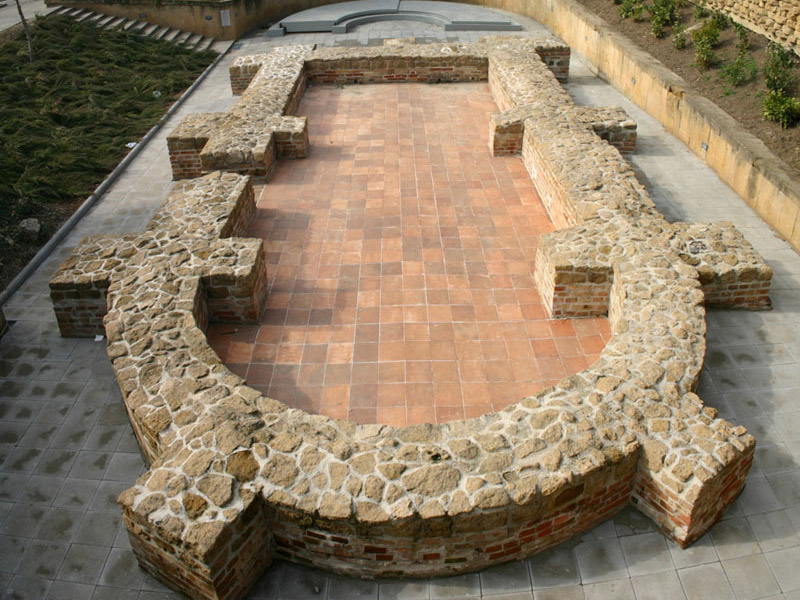
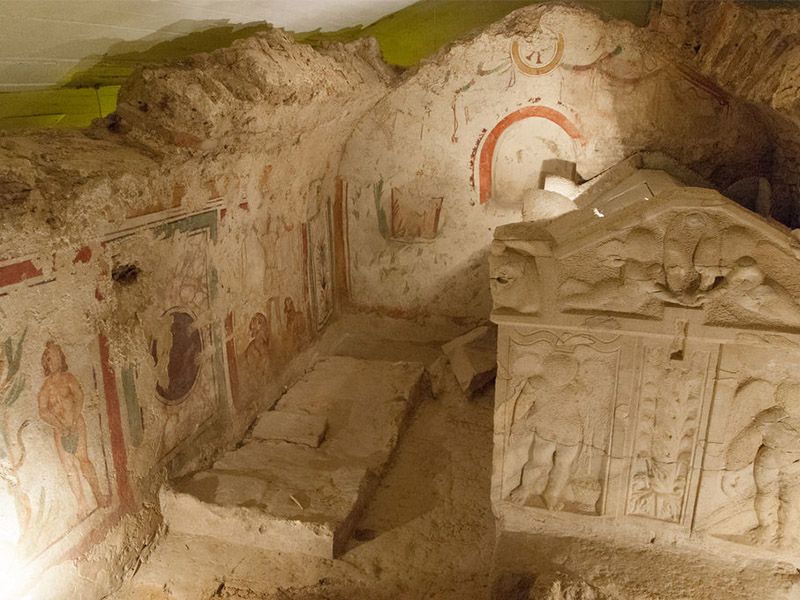
(Cella Septichora Visitor Centre) The 1600-year-old painted tombs were mostly burial sites for wealthy families. Some of them are decorated with biblical scenes and early Christian symbols, further enhancing the uniqueness and universal cultural value of the site. The two-part structure has an underground part, the crypt, which is the actual tomb where the deceased were placed in brick tombs or, less frequently, in sarcophagi. A memorial chapel was built above it.
Ókeresztény sírkamrák Ókeresztény Sírkamrák Pécsett
Vasarely Museum
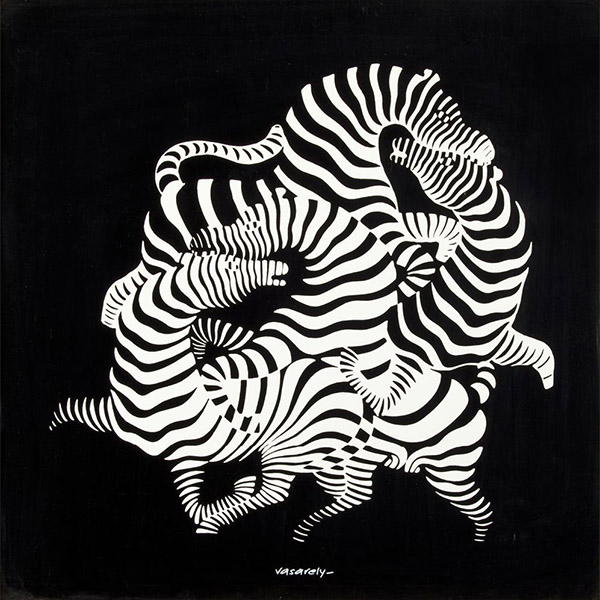
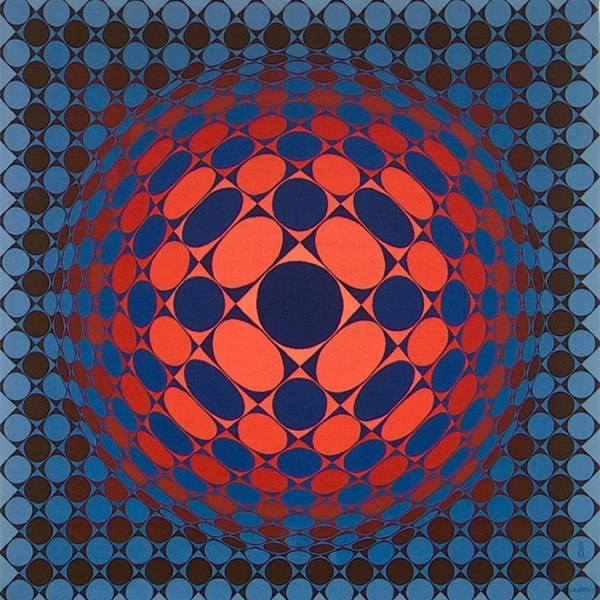
Victor Vasarely was born in Pécs in 1908. He lived in France from 1930 until his death in 1997. In 1968, he donated a collection of serigraphs to the Pécs museum. The exhibition traces the development of op-art, from decorative textiles to the world-renowned Zebra (1938), from the organic and constructive visual experience to the gradual abstraction and geometric, black-and-white constructive works.
Vasarely Vasarely museum, image
Pécs – Csontváry Múzeum
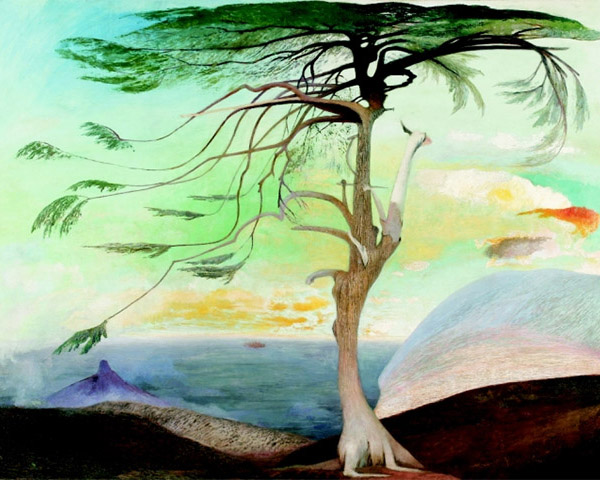
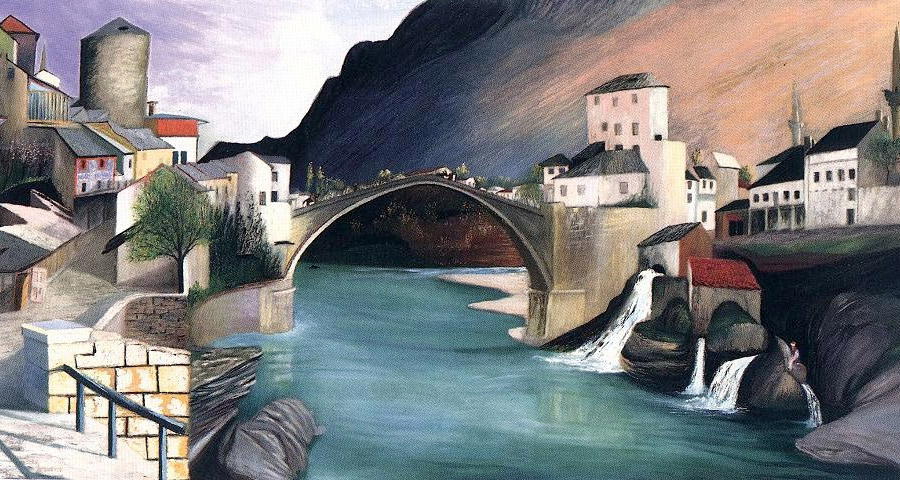
The exhibition of Hungary’s solitary giant of painting, Tivadar Csontváry Kosztka (1853-1919), opened in 1973 in a neorenaisance building constructed at the turn of the century. His career spanned just about a decade and a half, and he created fewer than 100 works. Despite being originally a pharmacist, he became one of the most significant representatives of modern painting. Here you can find his most famous work, the “Lonely Cedar”.
Csontváry Csontváry Museum, picture
Pécs Aquarium and Terrarium
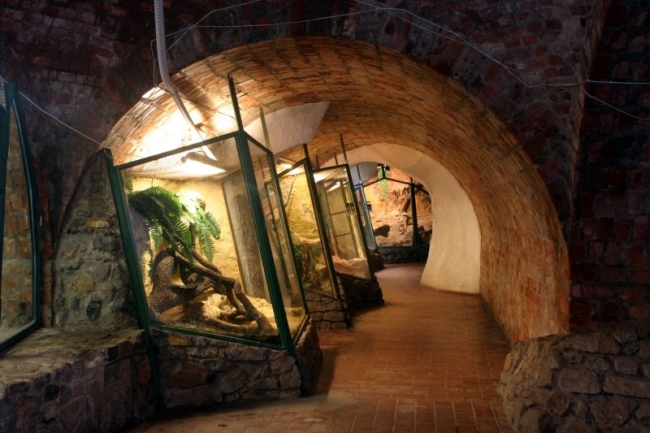
Part of the collection is housed in a medieval cellar system. The aquarium and terrarium, with its unique local features, offers views of the “Courtyard of Animal Wonders” and the “House of Night”.
Pécs aquarium and terrarium Pécs aquarium and terrarium

Pécs Zoo
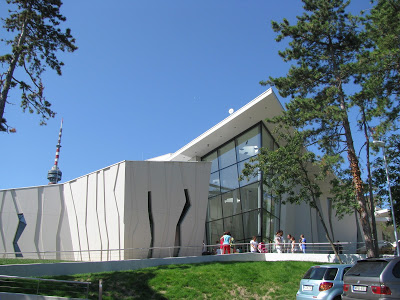
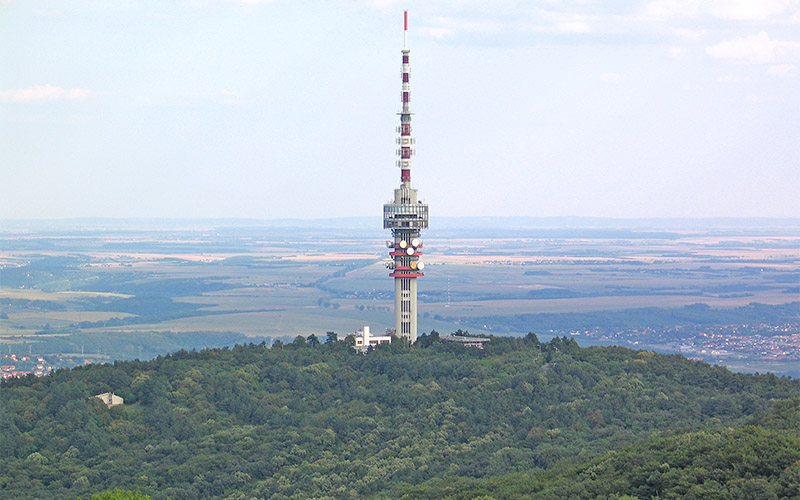
One of the symbols of Pécs – the 176m tall TV tower – is located just beneath the Pécs Zoo, nestled in the shadows of the trees. The zoo was built with the help of local people in 1960 through voluntary work. This heritage is still carried by the zoo to this day.
Pécs, Zoo Pécs Zoo resident

TV Tower, Viewpoint
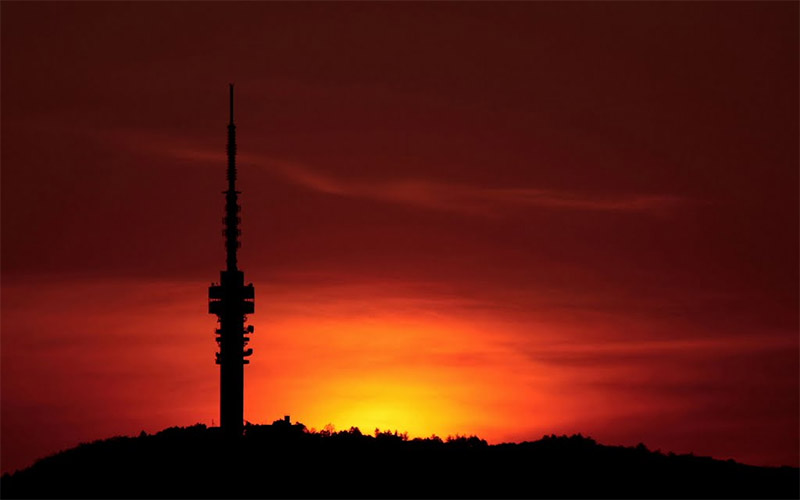
The Pécs TV Tower and Viewpoint holds the record as the tallest building in Hungary. The 197-meter-high building stands on the 535-meter-high Misina peak of the Mecsek mountains. A fast elevator takes you up to the glass-walled café. The restaurant is located 72 meters above ground level, and the open circular viewpoint above it is 80 meters high, making the total altitude 615 meters above sea level, when combined with the Misina peak. It is worth visiting even in cloudy weather, as low-layer clouds may cover the city, offering an uninterrupted, spectacular experience with a view from the tower above the clouds.
Pécs, TV-tower Pécs, TV-tower at sunset
Gázi Kászim Pasa Mosque
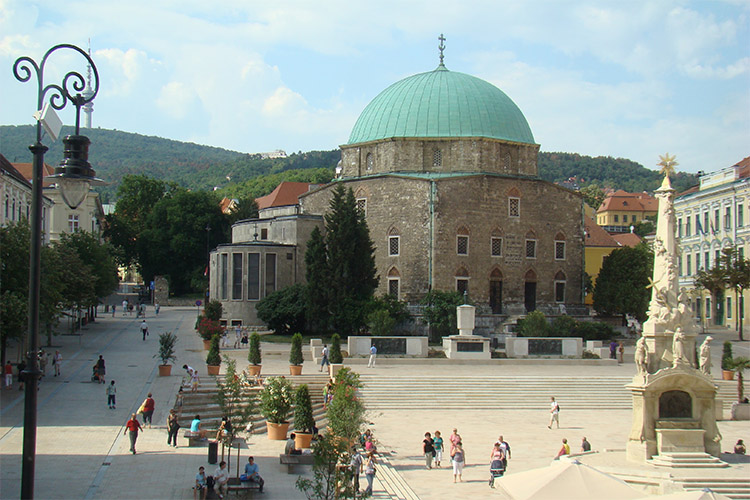
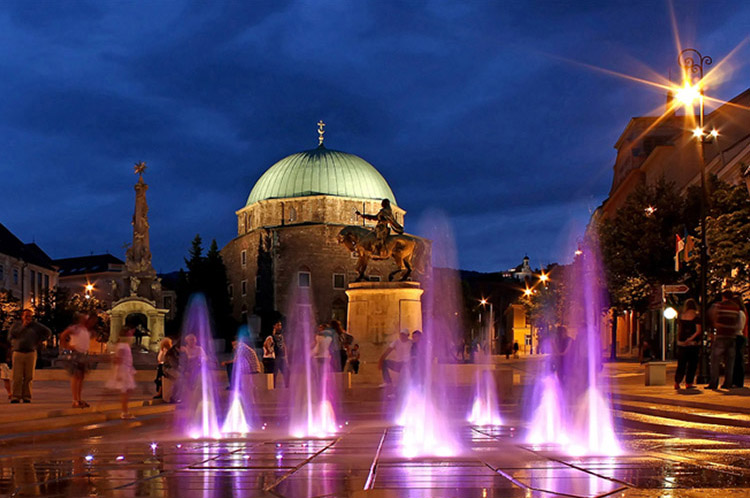
The Gázi Kászim Pasa Mosque was built using the stones of the medieval, Gothic-style St. Bartholomew Parish Church during the Turkish rule. The mosque, which now functions as a Catholic church, acquired its current form during a 1939 renovation.
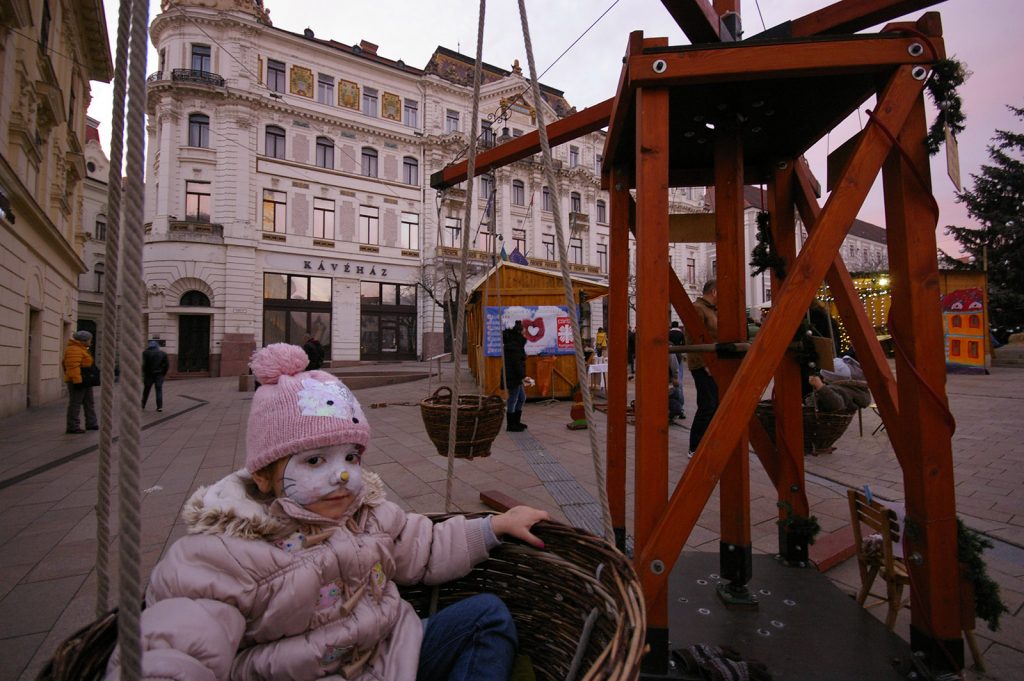
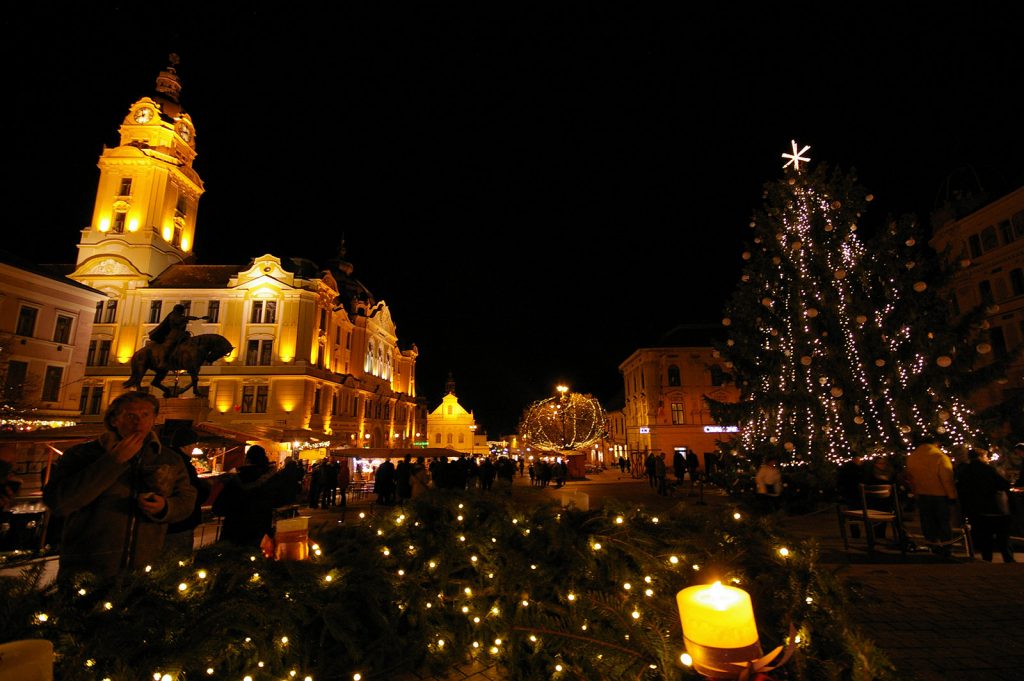
In winter, the mosque hosts a handicraft market, welcoming both the city’s residents and visitors. Additionally, the city’s Christmas tree is placed in Széchenyi Square, and Pécs’ city center transforms into a beautifully decorated festive space.
Pécs, Mosque and beautifully renovated Széchenyi Square during the day Pécs, Mosque Pécs, Széchenyi Square in winter Pécs, Széchenyi Square, Christmas market
Mecsextrém Park
Just a short jump from Pécs, in a quiet environment away from the city’s noise, lies Mecsextrém Park, one of Hungary’s largest adventure parks, located in the stunning Mecsek Forest. This vast “forest playground” offers a unique experience for both young and old alike.
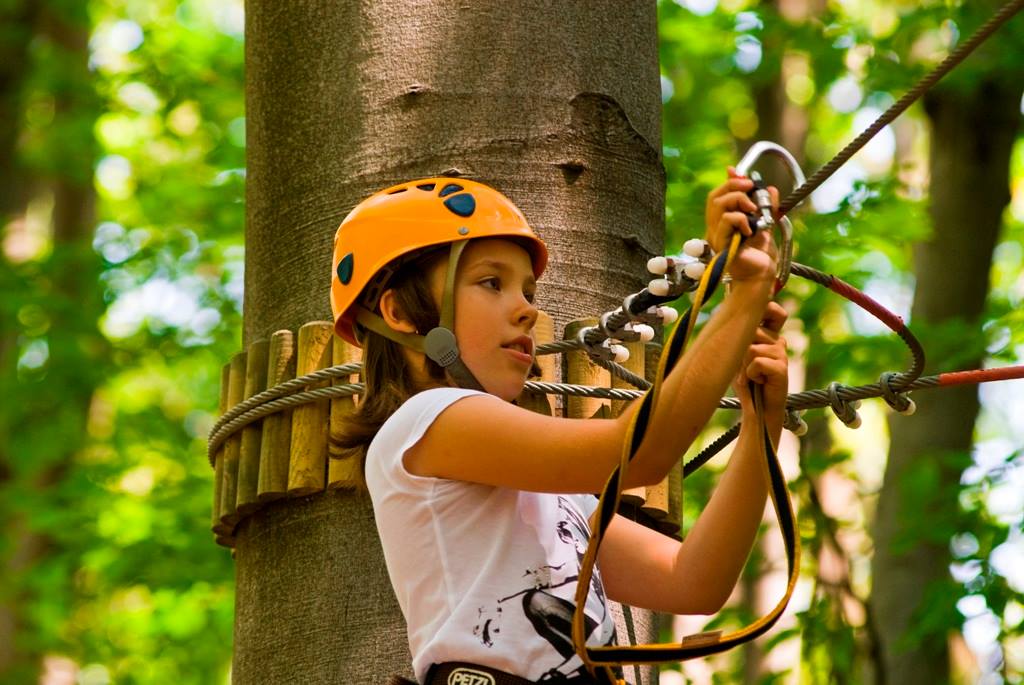
Alpine rope course in Mecsextrém Park
Siklósi Castle
At the foot of the Villány Mountains, on a small hill, stands Siklósi Castle, an important historical landmark in Hungary.
Visitors to the castle can explore several permanent exhibitions, including the Tenkes Panopticon, which showcases key characters from the world-famous TV series “Tenkes Captain.”
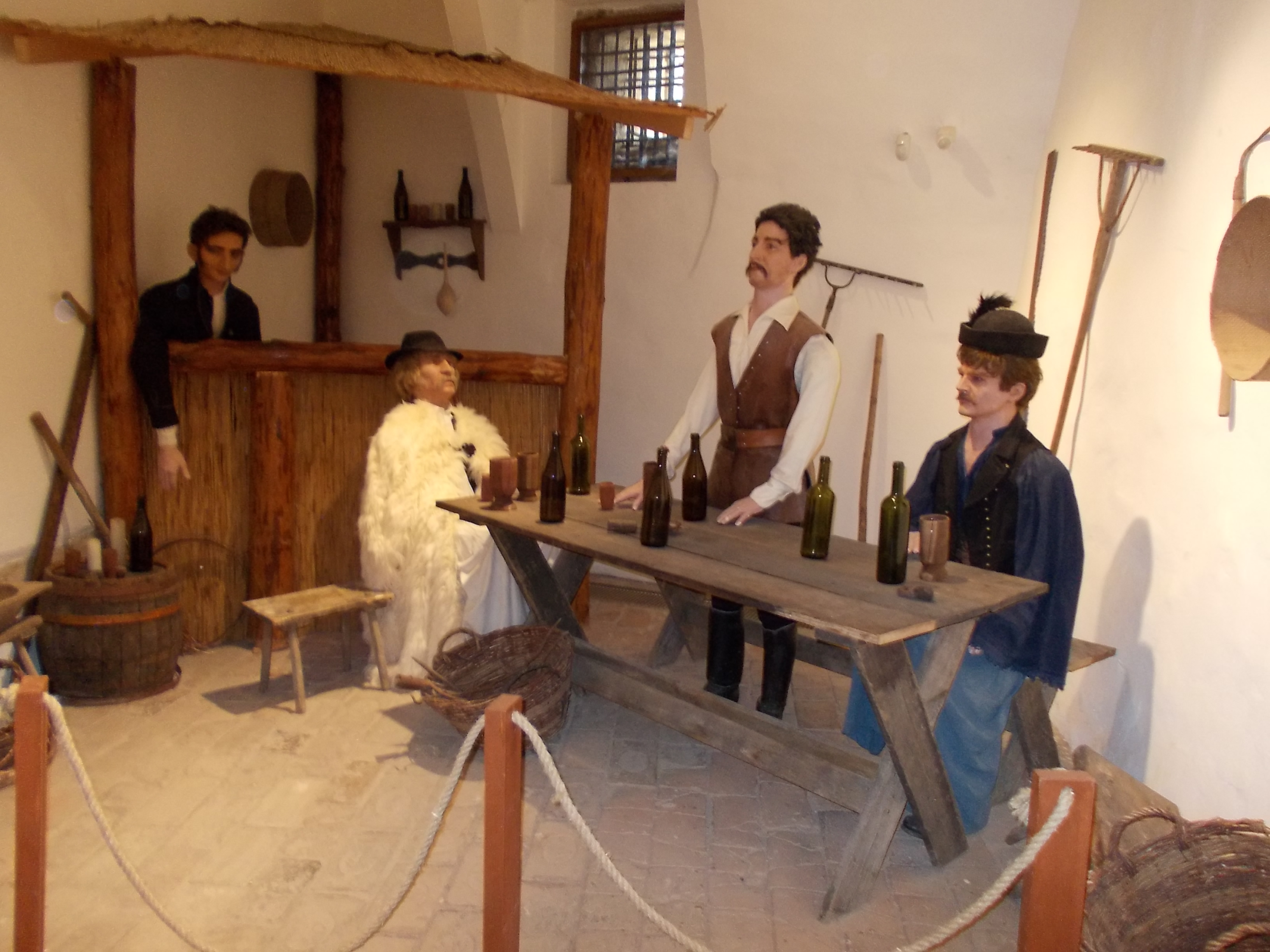
Tenkes Panopticon at Siklósi Castle
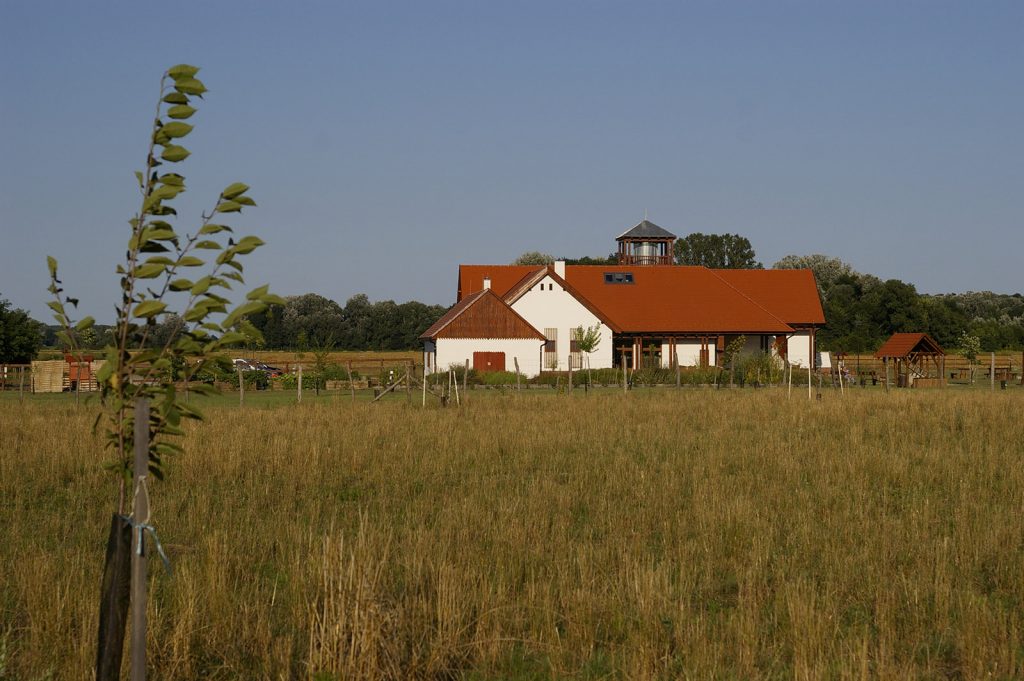
Ős-Dráva Visitor Center
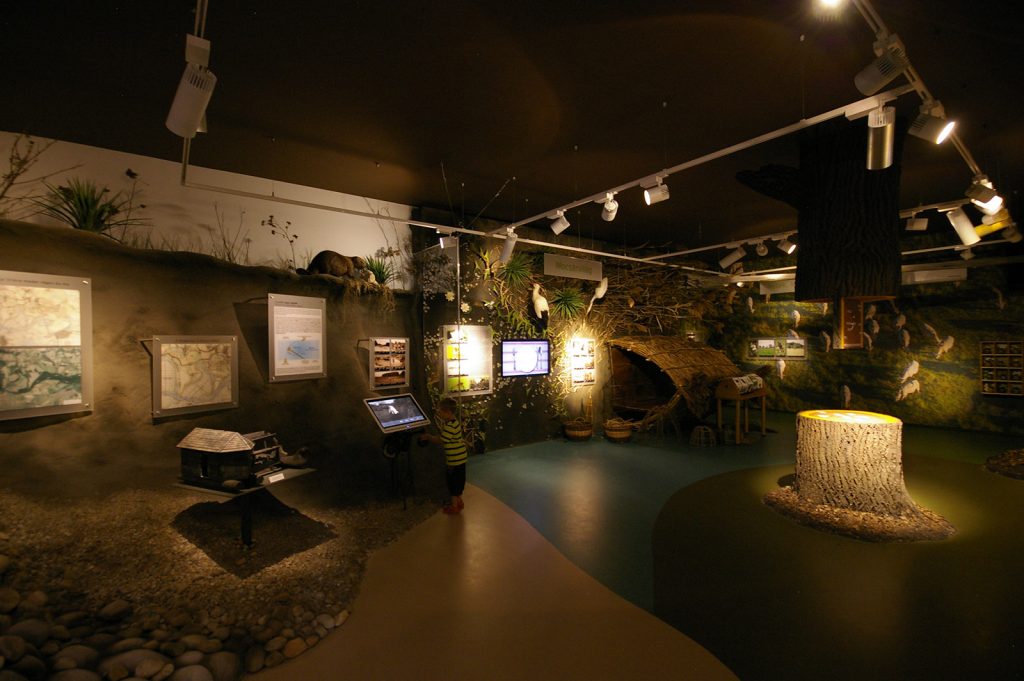
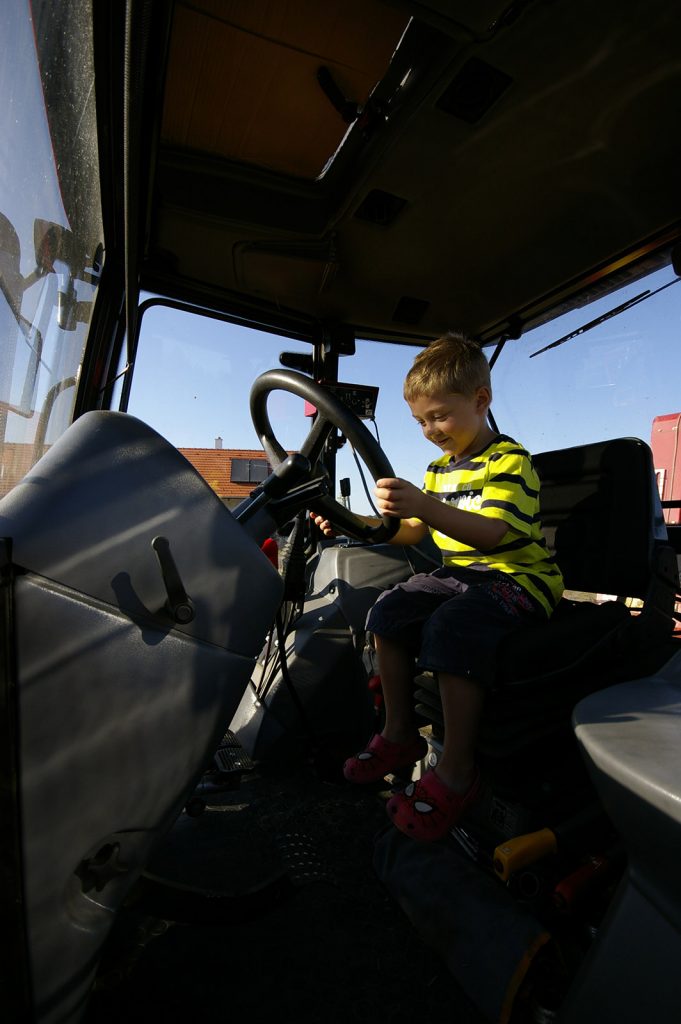
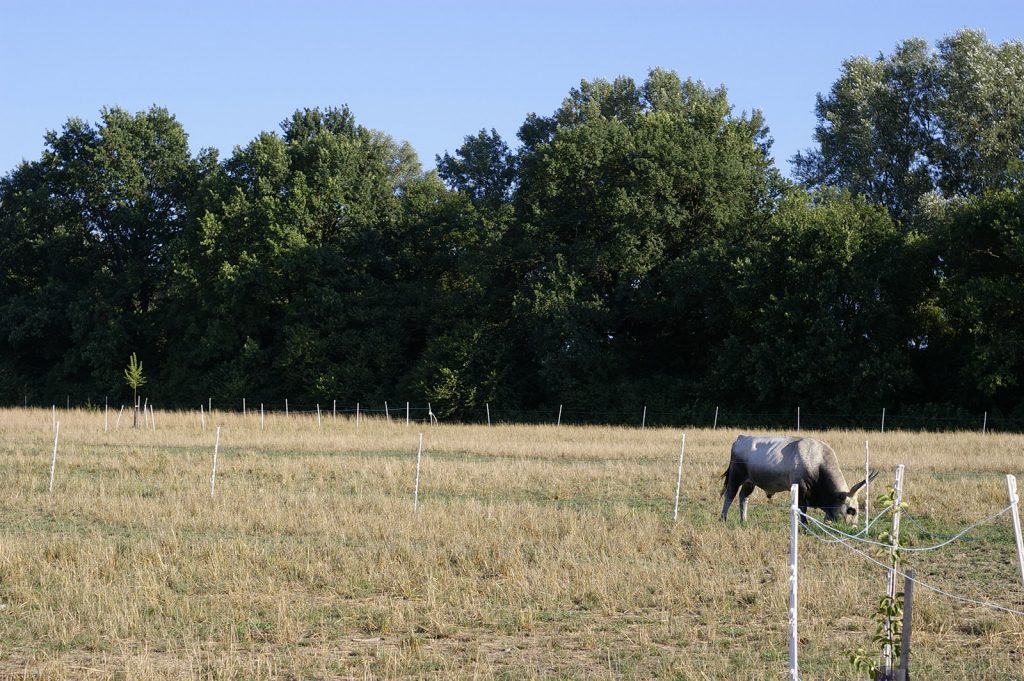
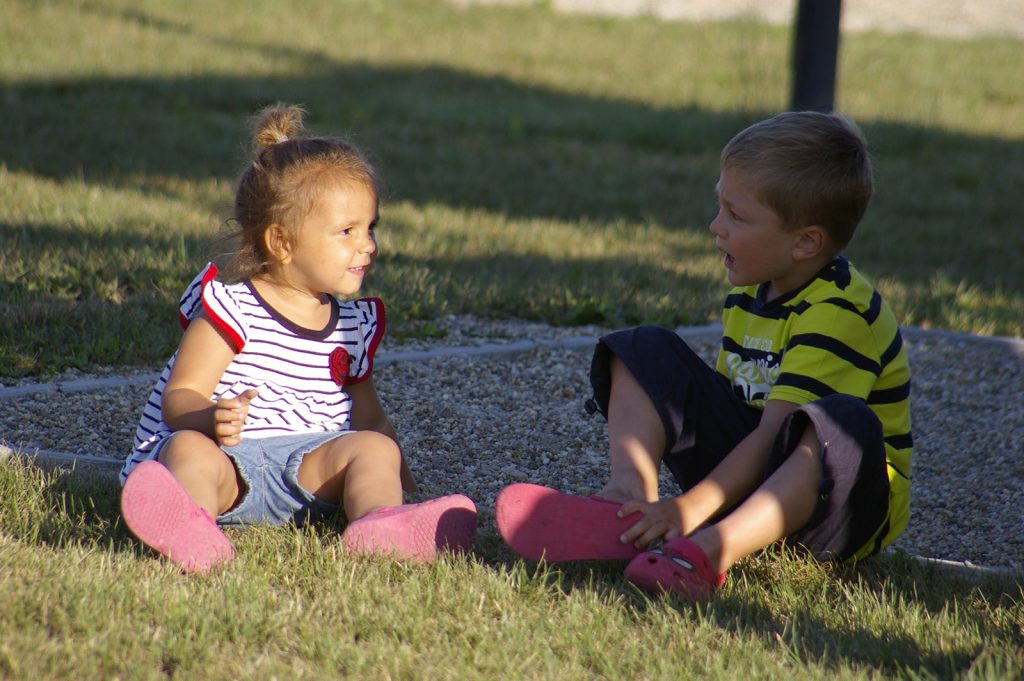
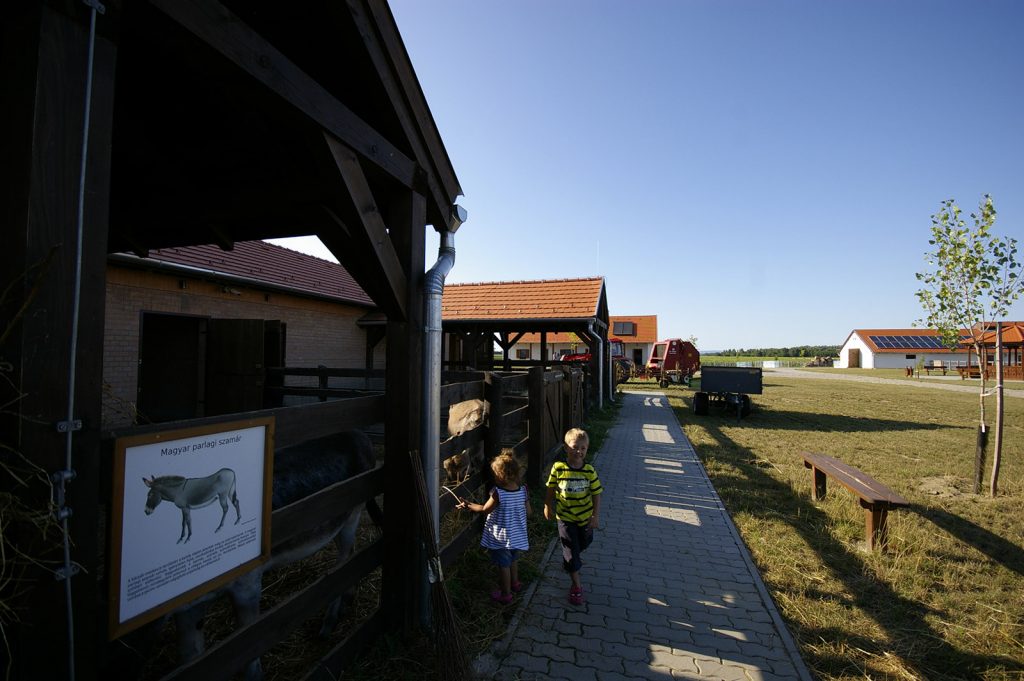
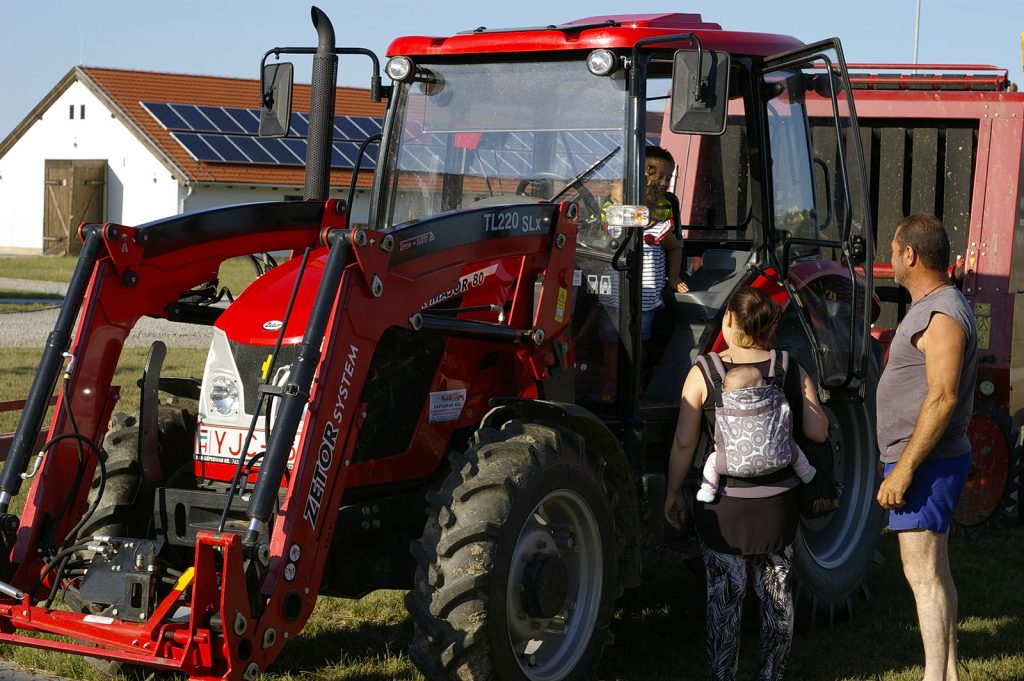
The exhibition reveals the world of Ormánság, a region rich in forests and waters, which once provided for the people living here. With a guided tour, you can walk along the traditional farming trail, where you can smell herbs, try beekeeping tools, and learn fascinating facts about pasture farming and animal husbandry.
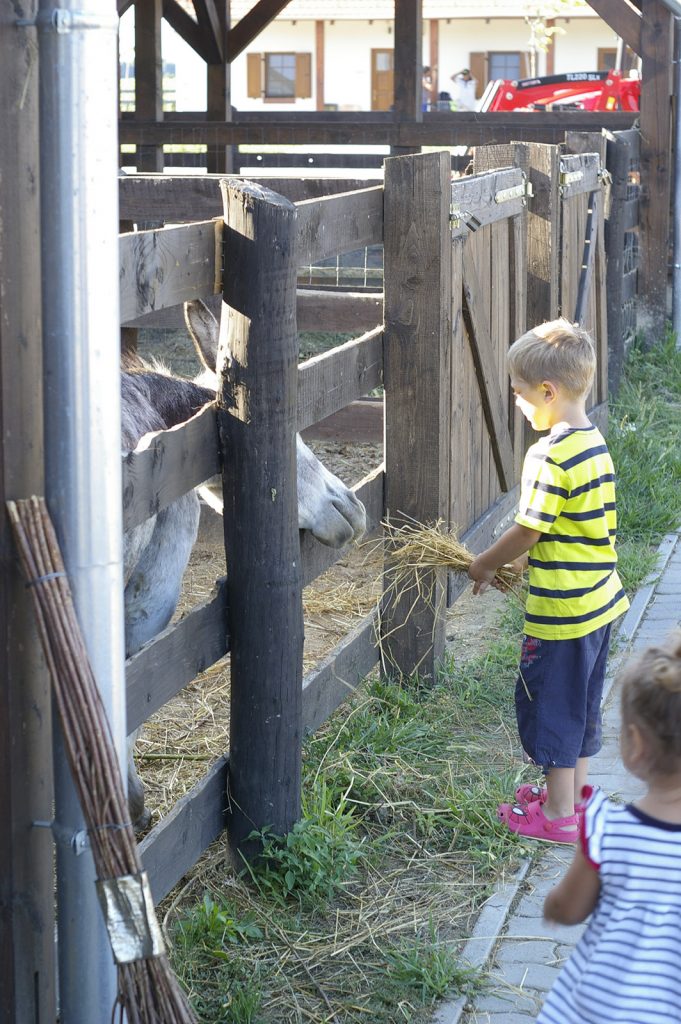
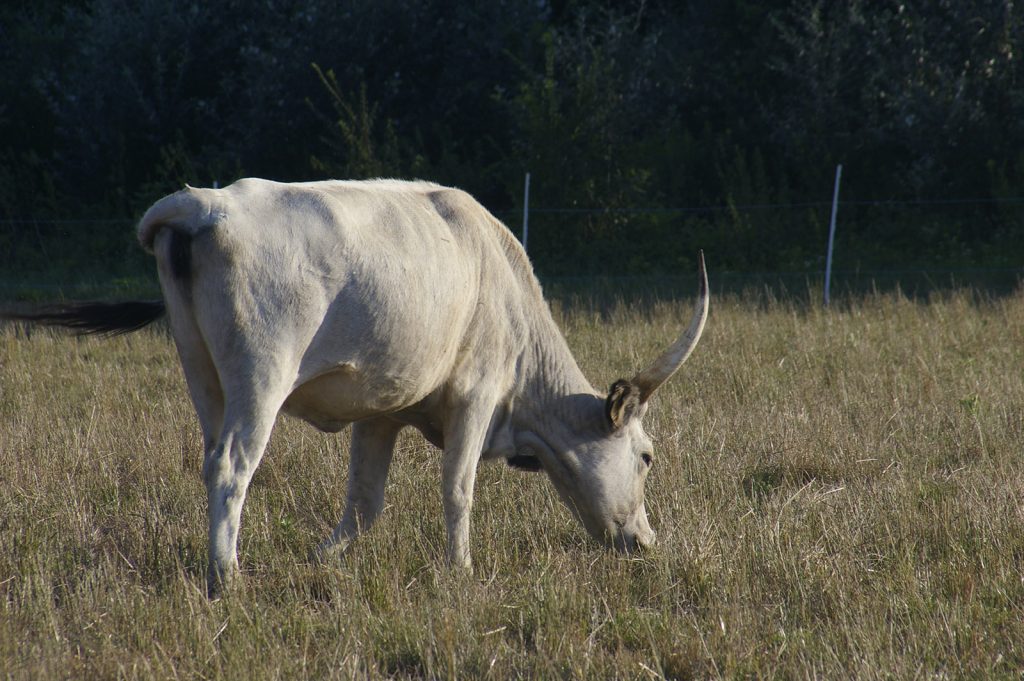
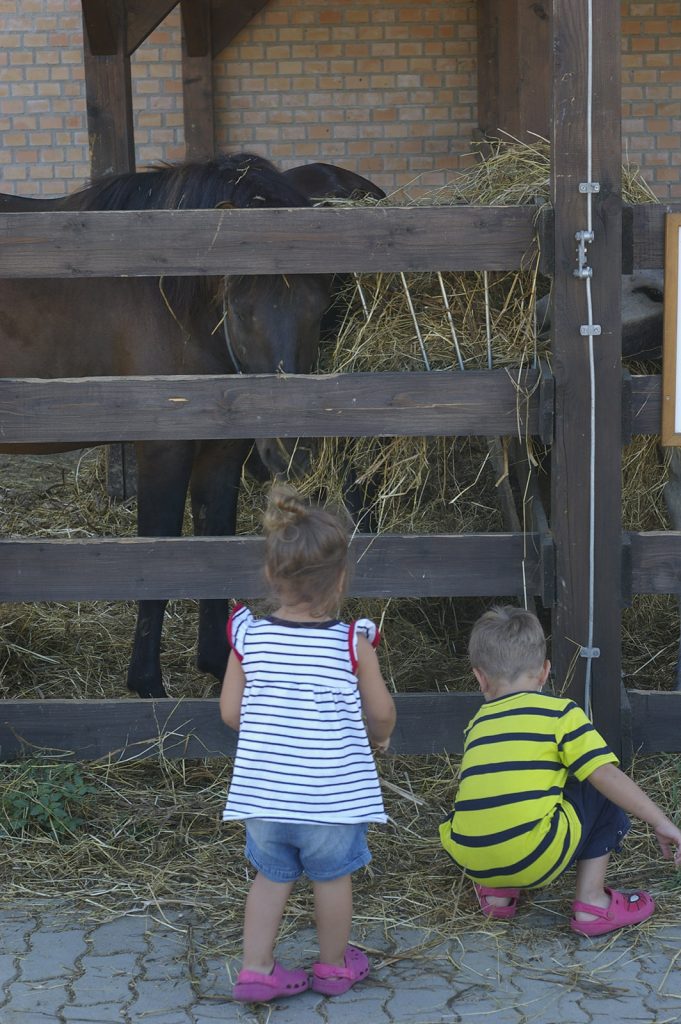
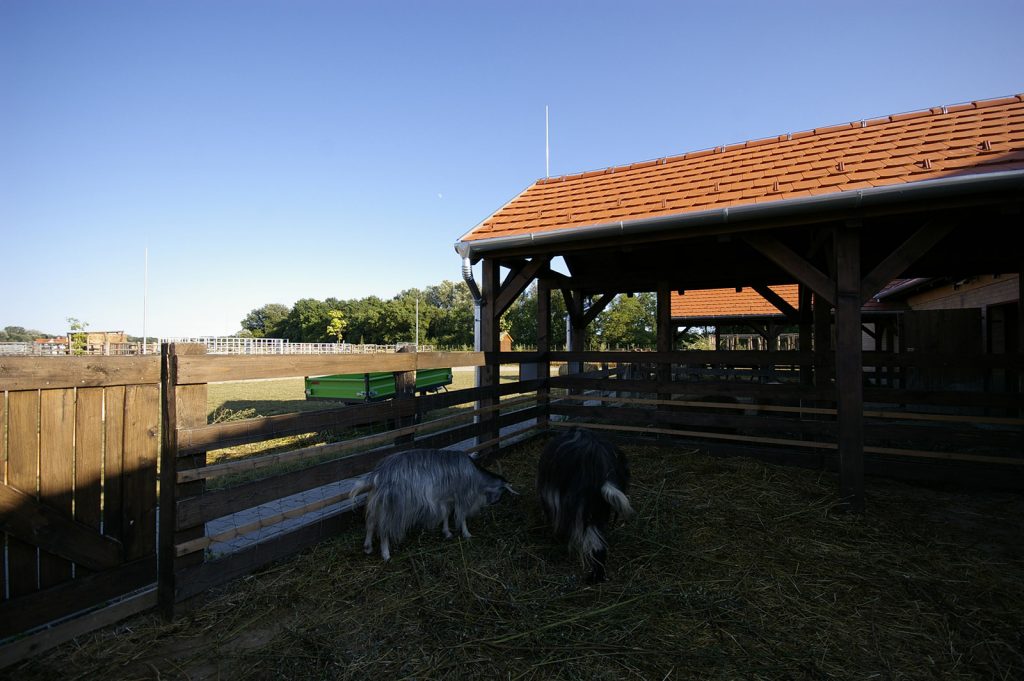
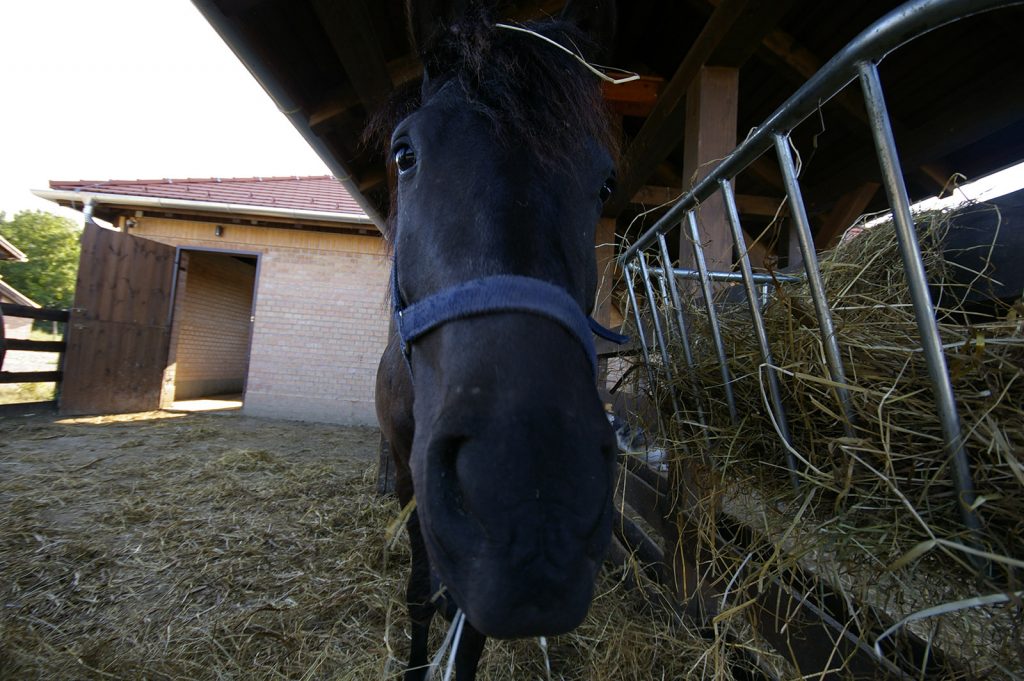
Meanwhile, at the farm, you’ll meet Tódor, the goat; Jónás, the donkey; Balambér, the Hucul horse; and Kormos, the bull, along with many of their companions. As the guide shows the equipment used for animal husbandry, the rural atmosphere is completed by the bleating of lambs, crowing of roosters, and mooing of cows.
Dráva River Boat Tour
Just a few minutes by car from Harkány, you will find Drávaszabolcs, the starting point for the boat tours. You can enjoy a boat tour with lunch or even wine tasting, and for children, there are pirate treasure hunts available upon request.
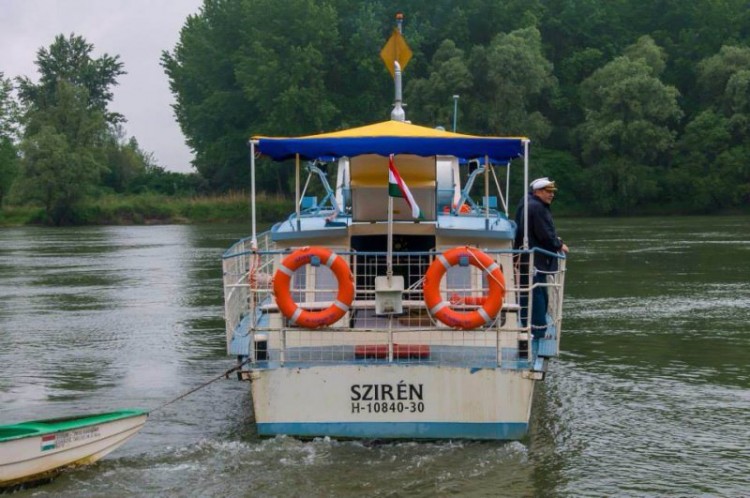
Boat tour on the Dráva River
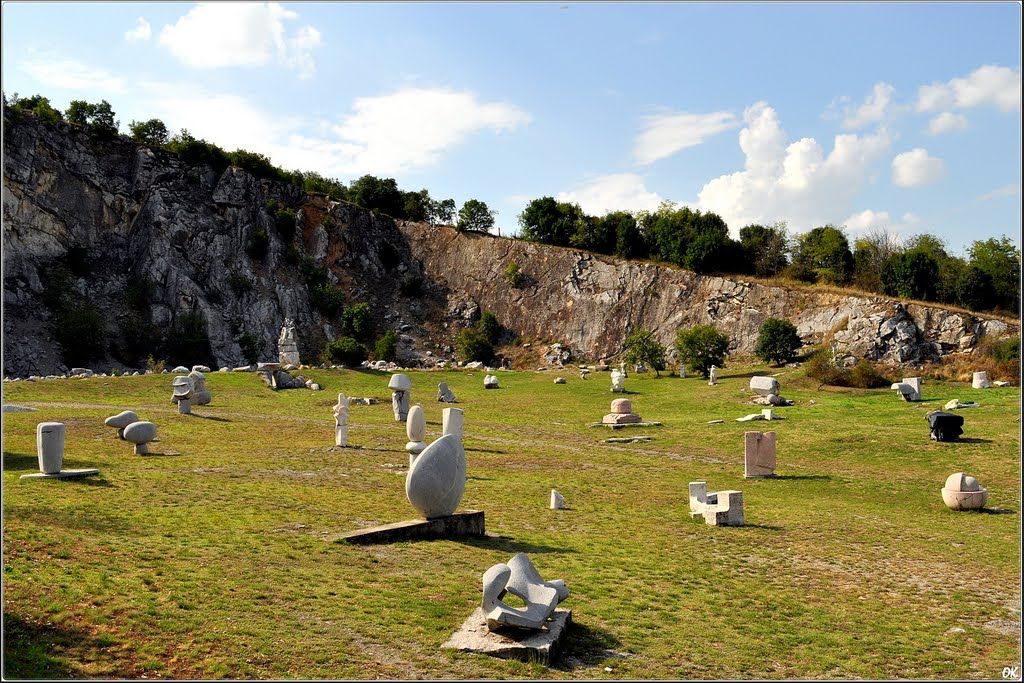
The Nagyharsány Sculpture Park
The history of the Nagyharsány Sculpture Park dates back to 1967, when the first stone sculpting symposium was held in the former stone quarry of Szársomlyó, initiated by young Pécs artists.
The works, made from stone sourced from the surrounding area, come to life in the open-air museum, where the former quarry has become the true home of these masterpieces. The park is home to nearly 130 sculptures, most of which are non-figurative: solitary blocks, twisted columns, strange idols, and stones resembling toys of giants. Some sculptures have been given names by visitors, such as the Villány Venus, Columbus’ Egg, or the Memorial.
Villány
In 1987, Villány was awarded the title of “City of Vine and Wine” by an international jury. Around 200 families in the town are involved in some form of wine sales. Villány is also home to a wine museum, which has collected written and material artifacts related to viticulture dating back to the 13th century.